

AI in the Korean Workplace: Emerging Employment Law Considerations for Employers
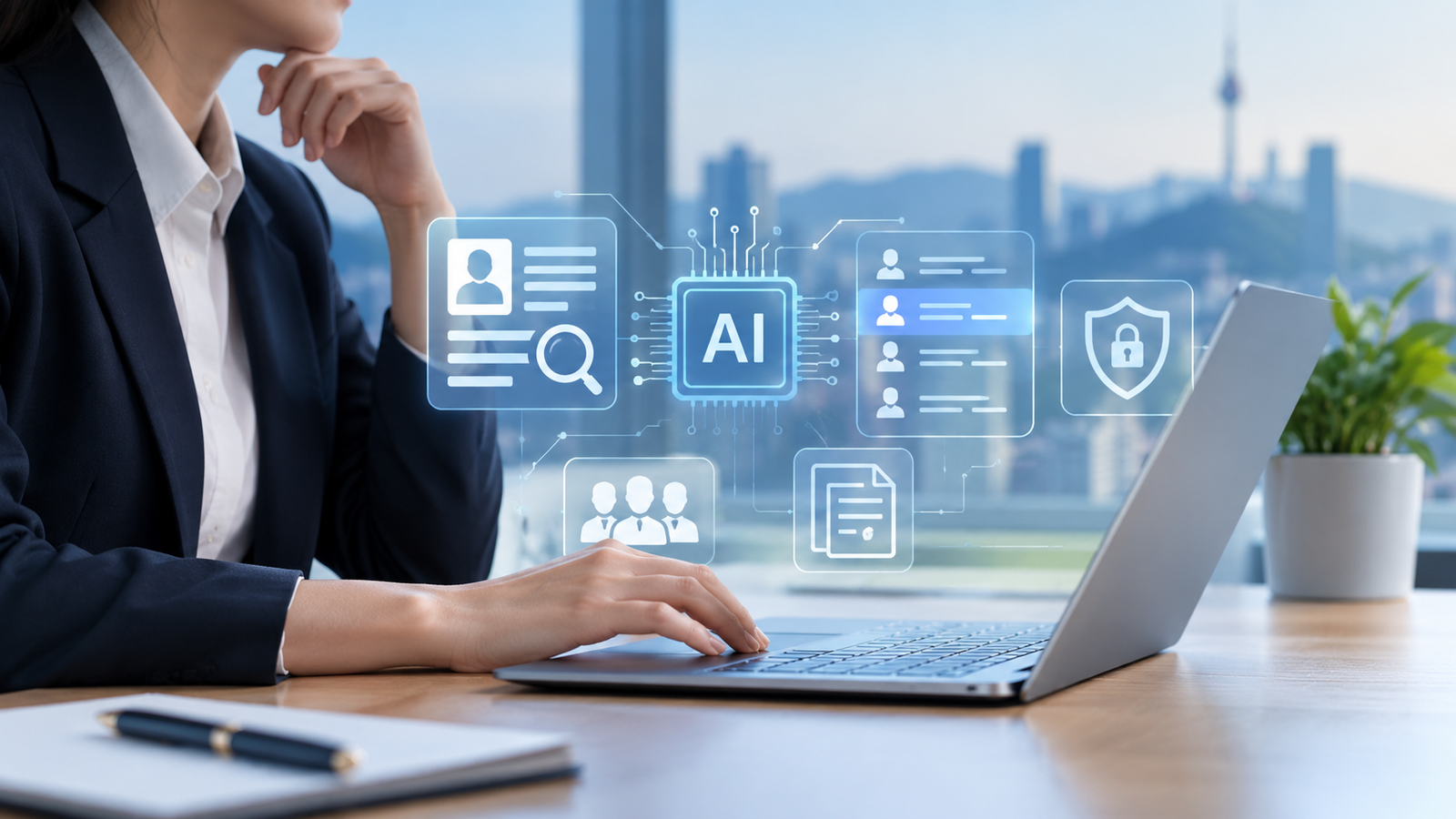
Artificial intelligence (“AI”) is increasingly being used in Korean workplaces, including recruitment, employee evaluation, workforce management, and other human resources functions. As these technologies become more common, employers should be aware of several important regulatory developments.
Korea’s AI Basic Act Takes Effect
Korea’s Artificial Intelligence Basic Act (“AI Basic Act”) entered into force on January 22, 2026, establishing a framework for the development and use of AI in Korea. The Act imposes additional requirements on certain forms of “high-impact AI,” including AI used in areas that may significantly affect an individual’s rights or obligations.
Importantly for employers, the definition of high-impact AI includes systems used for recruitment and other judgments or evaluations that may significantly affect individuals. Accordingly, companies using AI to screen applicants, evaluate qualifications, or otherwise influence hiring decisions should consider whether their systems fall within this framework.
Automated Decision-Making Under the PIPA
The AI Basic Act is not the only relevant legislation. Korea’s Personal Information Protection Act (“PIPA”) also contains specific requirements concerning automated decision-making.
Under Article 37-2 of the PIPA, individuals may have rights concerning fully automated decisions that significantly affect their rights or obligations, including the ability to request an explanation or, in certain circumstances, refuse an automated decision. The law also contemplates human review of such decisions.
This distinction is particularly important for employers in the use of AI to assist with hiring recommendations, performance evaluations, employee scheduling, employee behavior monitoring amongst other tasks. Employers should consider not only whether AI is being used, but also how much authority is actually given to the AI system.
Employers should also consider whether personal information used by AI systems is being collected and processed in accordance with the PIPA. This is especially important where global HR platforms or AI providers process Korean employee or applicant information outside of Korea, as cross-border transfers may create additional compliance requirements.
Required Consultation by the Labor-Management Council
If an employer uses AI for personnel and labor management purposes to continuously monitor, analyze, or evaluate employees’ work-related activities, such use may fall within the scope of matters subject to consultation with the Labor-Management Council under Article 20 of the Act on the Promotion of Workers’ Participation and Cooperation, including “improvements to personnel and labor management systems” and the “installation of employee monitoring equipment at the workplace.”
Accordingly, the employer should consider the type of information collected, the purpose and scope for which AI-generated results will be used, and the employer’s relationship with any labor union, amongst other considerations. When the proposed use of AI falls within the scope of matters subject to consultation, it would be advisable for the employer to consult with the Works Council regarding the introduction and use of the AI system.
What Should Employers Do?
Companies using AI in HR should consider taking the following steps:
- Identify AI systems currently used in HR, including recruitment, monitoring, performance evaluation, and workforce management tools.
- Determine the role of human decision-makers and whether AI recommendations are independently reviewed.
- Review personal information provided to AI systems and confirm that its collection, use, storage, and transfer comply with the PIPA.
- Review agreements with AI vendors, particularly provisions concerning data processing, retention, security, and overseas transfers.
- Maintain appropriate records showing how AI was used in significant employment decisions.
For assistance with all these matters, the team of Korean Bar certified attorneys at InterLEX stand ready to assist. Our team has extensive experience in evaluating employer systems, providing recommendations and ensuring compliance with the dynamic legal landscape.



No comment yet, add your voice below!